ReSPECT in Shetland
How Shetland managed to support two-thirds of its permanent care home residents with a ReSPECT care plan in less than a year.

How Shetland managed to support two-thirds of its permanent care home residents with a ReSPECT care plan in less than a year.
The ReSPECT (Recommended Summary Plan for Emergency Care and Treatment) process allows people to create a personalised clinical and care plan for emergency treatment when they’re still able to express their wishes.
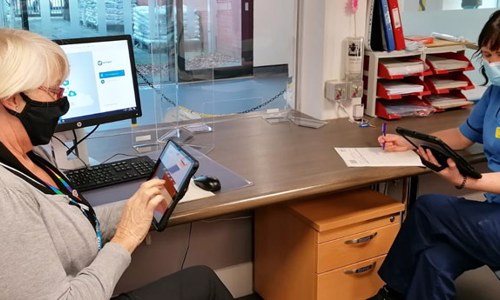
A digital version of ReSPECT has been built for use in health and care across Scotland by using the National Digital Platform (NDP) services. This enabled the island board of Shetland to support two-thirds of its permanent care home residents with a ReSPECT care plan in less than a year from starting the initiative.
ReSPECT plans allow people to create a summary of their clinical preferences when they’re still able to make these decisions. People and their families can determine what’s important and realistic for them through conversations with health and social care professionals.
ReSPECT plans offer a nuanced approach, giving people a choice in their future care and providing staff with context to that care in case of emergency. The word ‘plan’ is essential, as this is an organic document open to modification as the person’s condition, needs and wishes change.

[ReSPECT] has really good training, good supporting documents, the form is really well written. This is really helpful in building a personalised conversation.
Dr Chloe Evans, GP in Scalloway, Shetland
As of May 2026, 8 Scottish Health Boards have implemented digital ReSPECT. Shetland is one of them.
The ReSPECT pilot in Shetland ran from December 2023 to March 2024. NHS Shetland’s Future Care Planning Group identified two main needs to support healthcare professionals in their conversations with patients with acute deterioration and without a healthcare plan in place. These two needs were:
A multi-agency team from GP practices and NHS Shetland Health Board, led by local GP Dr Jacqueline Gray, developed the pilot with two profiles of people who might benefit from ReSPECT. These were:
For a smaller Health Board like Shetland, implementing digital ReSPECT demonstrated the benefits of a national approach, as no large IT team was required to build something specific for that island. It showed immediate benefits and ease of use, with GPs wanting to engage despite their limited time.

In three months, feedback from the pilot was quick and overwhelmingly positive. During this period:
Patients gave an overall rating of 8/10 for their experience of the process, and all clinicians who had engaged with the process felt it should be adopted formally by NHS Shetland.
‘ReSPECT Pilot: Final Report and Future Recommendations’, October 2025
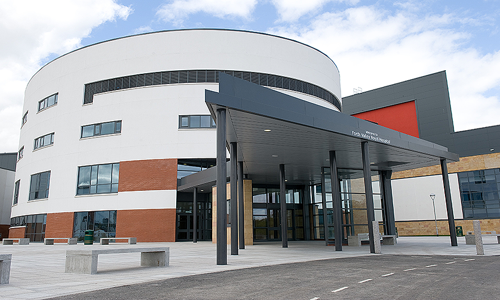
Shetland’s remote location made implementing ReSPECT crucial. With only one hospital in the region, many medical interventions or tests require travelling to the Scottish mainland.
In many cases, healthcare professionals’ main concern is that some patients transferred off the island may never return. This could lead to the worst possible outcome, as most Shetlanders are deeply connected to their community.
In 2025, Shetland GPs and other clinicians were registered on the digital ReSPECT platform and encouraged to educate themselves about it. In October of that year, ReSPECT was already fully rolled out across the eight care homes in Shetland.
As of May 2026, two-thirds of their permanent residents have completed a ReSPECT plan.
At a local level, Shetland is centred on continuing towards full implementation, improving IT integration, and implementing a phased rollout across all of Shetland’s care homes.
Nationally, the aim is an ambitious, broader approach to future care planning available to everyone in Scotland.
The goal is for each person in Scotland to be able to design a tailored care plan, regardless of whether they need immediate care. A key element of this is to integrate information, currently captured in ReSPECT plans as a core part of the future Digital Health and Care Record, and ensure that individuals can access their care plans through MyCare.scot.
ReSPECT plans need to be available within primary and secondary care, to the emergency services and to people themselves, ensuring that all have access to this information.
To deliver digital ReSPECT in Scotland, NDP provided the necessary platform to deliver a reliable and safe service. Digital ReSPECT employed the following NDP services:
It’s been really well received by the GP community. They are not only willing, but glad to be able to use it. We all benefit from it if you’re on call out of hours or covering for a colleague, or if someone transfers in from a different area. You don’t have the same conversation with them again and again.
Dr Chloe Evans, GP in Scalloway, Shetland
This collaborative approach ensures that ReSPECT plans are accessible to clinicians across Scotland. For residents of remote areas, this is key, as patients may need to travel for treatments not available locally. It also offers reassurance to the healthcare community.
To know more about ReSPECT, contact the National Digital Platform.